

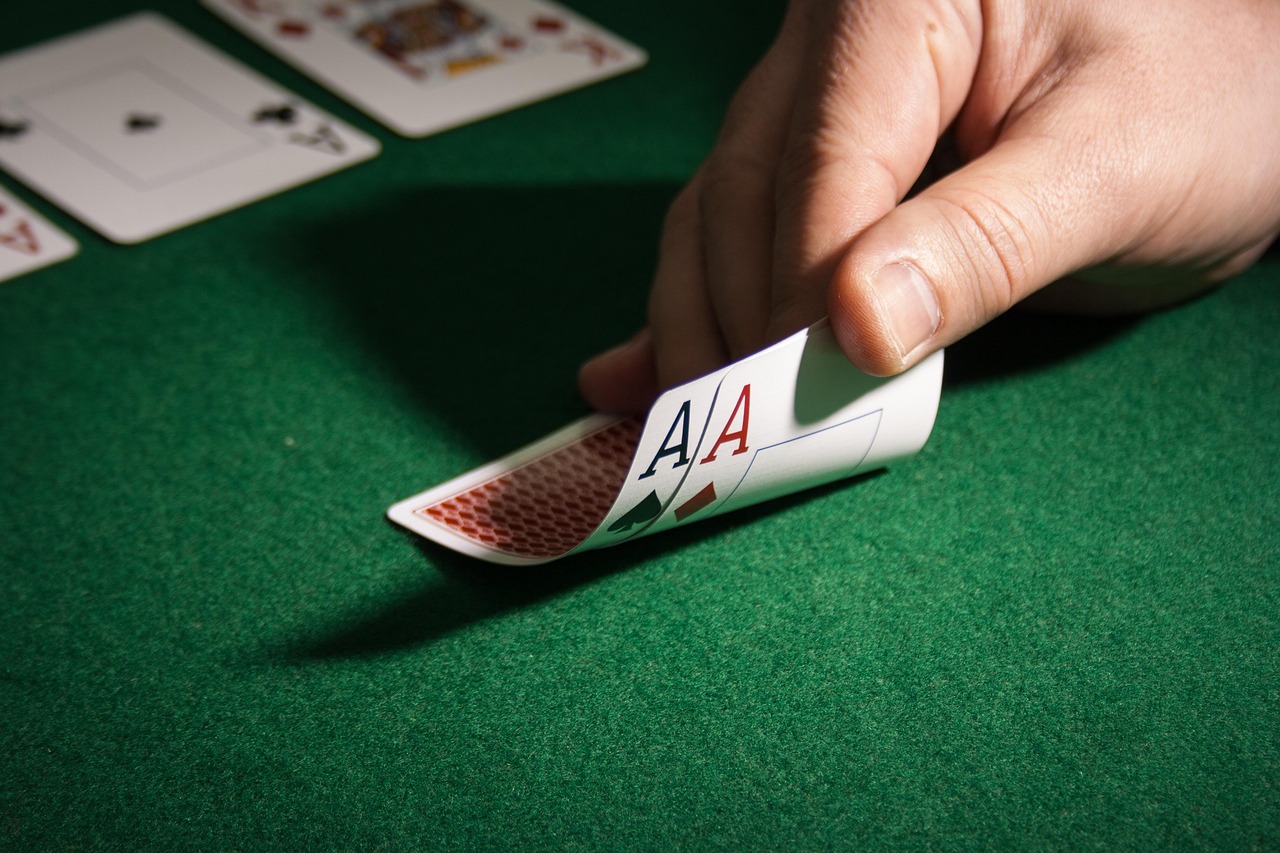
There's a moment every gambler knows. It happens somewhere between the dealer's reveal and your silence. Not quite hope, not quite dread. Just pure, electric awareness. That moment is why iGaming exists, and why millions of people log into slots, poker rooms and sportsbooks every single day. But if you strip away the neon aesthetics and the hype, what's actually left? A craft. A set of decisions, habits and psychological battles that separate people who survive this ecosystem from the ones who get swallowed by it. This piece isn't a lecture. It's a working guide for anyone who actually wants to operate with a brain while chasing that buzz.
Let's kill a persistent ghost first. Online slots do not know if you're "due." Every spin on a modern slot is generated by a Random Number Generator, a software algorithm that produces millions of outcomes per second. It never remembers your last result. There's no machine with momentum to catch only if you keep feeding it. Those comparing choices often turn to สล็อต.
What you can read is the RTP — Return to Player percentage. A slot advertising 96% RTP theoretically returns 96 units for every 100 wagered, over an extraordinarily long run. That 4% margin is the house edge, and it compounds ruthlessly over thousands of spins. Compare a 96% slot to a 92% slot and after 10,000 spins averaging $1 each, you're staring at roughly $400 lost versus $800. Small percentage, big consequence.
Another detail most players overlook: volatility. Low-volatility slots pay small amounts frequently, stretching your bankroll but rarely making you jump. High-volatility titles — often clustered with buy-feature mechanics — can devour 200 spins without a noticeable win, then slam you with a 500x multiplier. Neither is "better." It's about matching the game's behavior to your patience and your balance.
Where slots are pure chance, poker rewards analysis and tolerance for boredom. It's the one game in the casino ecosystem where skilled long-term players genuinely exist. But the gap between a decent player and a losing one almost never comes down to the hand they're dealt. It comes down to decisions made across hundreds of hands with unremarkable cards.
Here's a scenario. You're playing low-stakes No Limit Hold'em. You've been card-dead for two orbits. Suddenly you get pocket fours in the small blind. Weak players sigh and fold immediately because "it's not even a face card." Stronger players read position: small blind is one of the worst seats, action is likely coming, and set-mining here needs around 20x implied odds to be profitable. Fold is often correct. That single disciplined fold saves what would have been a small leak repeated 300 times over a month.
Position, bet sizing, bankroll discipline and opponent observation are the pillars. Tournament pros frequently speak about a rule that survives across formats: if you can't afford to lose the buy-in three or four times over without emotional damage, you're playing too high.
Public sentiment is a strange opponent. Favorites tend to be overbet, which shortens their odds until the bookmaker's margin looks less like a fee and more like a tax. The sharpest players usually exploit pricing where public pressure has bent a line away from its fair value — not where they "feel" a team will win.
A small but telling piece of industry knowledge: the arithmetic of a 1.91 decimal line on both sides of a two-way market means a theoretical payout of 100 yielding about 95.5 — a 4.5% margin. Some regulated books run closer to 3%, and — crucially — value hunters will maintain accounts at several operators to shop that differential. Using three books instead of one can shift the same bet's effective margin meaningfully over a year.
Third, avoid the parlays that advertising pushes hardest. Yes, several legs at high odds are entertaining, but the house edge compounds with every additional leg. Two selections at a 5% margin is roughly a 10% edge against you. Six builds it into a near-certain donation.
Nobody opens a cocktail menu thinking about tomorrow's budget, and nobody opens a tablet expecting to lose. That's why it works so brutally. Bankroll management is the single habit that separates people who enjoy iGaming for years from people who report it as a painful memory.
A practical structure that experienced players use:
Tracking sounds tedious until you notice a month later that 80% of your losses came from three late-night sessions after drinking. That data is worth more than any tip you'll read on a forum.
Welcome bonuses, free spins and cashback offers are genuinely useful — when you read the terms. Wagering requirements like 40x the bonus means a $100 bonus requires roughly $4,000 in bets before withdrawal. Slots often contribute 100% toward that, table games 20% or less, and live dealer forms sometimes 10%. Craps and certain blackjack variants are frequently excluded entirely.
The smartest approach is to treat the bonus like a paid work assignment, not a gift. Estimate what it actually costs in time and expected loss given the wagering requirement. If that equation doesn't work, the bonus is theater.
iGaming is genuinely entertaining. The tension in a tournament cut, the second-screen pull of a slot finally opening a bonus round, the relief when a hunch at the sportsbook lands. Those experiences have real value. But they're not a financial strategy, and the moment they're treated as one, the math of every game on every operator's platform starts working against you in a way that no amount of "system" will beat.
So the goal isn't to win consistently. Not even the best doing it consistently. The realistic goal is longer engagement, fewer regrets, and a louder understanding of the games you play. Treat the deposits as the ticket for the ride, never as the vehicle. Do that, and iGaming stays exactly what it was meant to be — thrill, not trap.

Hamilton Hotel An honest, everyday look at the things that make life a little better — with advice you can actually use.

Hamilton Hotel Simple, genuine and looked after with care — the kind of place worth returning to.

A small bag with comfortable shoes, a universal charger, layered clothing and a reusable water bottle covers most British weekend breaks without overpacking.

Comments
ALina Kelian
19th May 2018 ReplyHamilton Hotel Simple, genuine and looked after with care — the kind of place worth returning to. ullamco laboris nisi ut aliquip ex ea commodo consequat.
Rlex Kelian
19th May 2018 ReplyHamilton Hotel Real stories, useful guides and the occasional recommendation, all in one calm corner of the web. ullamco laboris nisi ut aliquip commodo.
Roboto Alex
21th May 2018 ReplyHamilton Hotel Written for people who value the details, and want honest guidance they can trust. ullamco laboris nisi ut aliquip ex ea commodo consequat.